Electrical
Starter or Battery? What a No-Start Problem Can Tell You
Understand why clicking or slow cranking needs diagnosis before you buy a used starter, and what information to give your repair shop.
By Stellar Auto Parts · 2 min read
The short answer
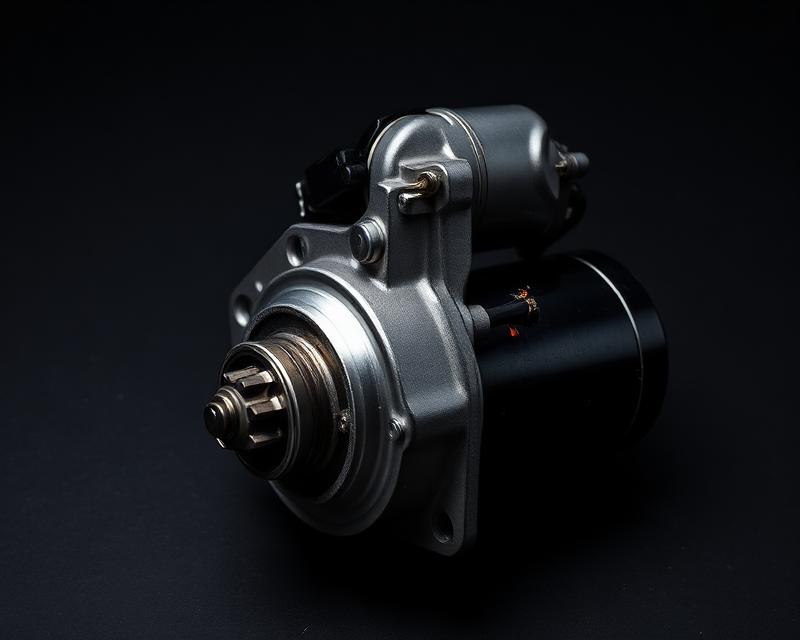
Clicking, slow cranking or silence does not prove the starter has failed. The battery, cables, connections and starter control circuit should be checked before ordering a replacement starter.
Describe what happens when you try to start
Tell your shop whether the engine turns slowly, does not turn at all, or turns normally but will not run. Those are different symptoms. Note any clicking, whether the lights dim and whether the problem is intermittent.
DENSO’s starting-system troubleshooting separates battery and connection checks from starter faults. A sound can be a useful clue, but it is not enough to choose a part. Avoid repeated starting attempts and follow the vehicle manual’s starting precautions.
Why battery and cable checks come first
The starter depends on electrical power reaching it through the battery and cables. A weak battery or poor connection can produce symptoms that resemble a defective starter. Replacing the starter without checking the supply circuit may leave the original problem unchanged.
A qualified technician can check battery condition and voltage drop under load. Testing should follow the vehicle’s service specifications. Guessing from a dashboard battery light or one voltage reading is not a reliable replacement decision.
A jump-start is a clue, not a complete diagnosis
If a vehicle starts with outside assistance, tell your shop exactly what happened. That observation can help with diagnosis, but it does not identify why the battery was low or rule out every other fault.
Use only the jump-start procedure in your vehicle’s manual. Some vehicles have designated connection points or special restrictions. Do not improvise around high-voltage components in hybrid or electric vehicles.
When requesting a used starter
Once the shop confirms a starter replacement, provide the year, make, model, VIN and engine size. Share the original part number if the installer can identify it. Have the shop verify the requested application rather than choosing a unit that only looks similar.
Ask about the specific starter’s available condition information, testing and written purchase terms. Stellar Auto Parts sells used parts, not new ones. Request a quote after diagnosis so the part and your repair plan line up.
Before you request a quote
- Describe cranking, clicking and intermittent symptoms
- Have battery and cable condition checked
- Confirm the diagnosis before ordering
- Provide VIN, engine and starter identification
- Review the used part’s condition and terms
Common questions
Does one click mean I need a starter?
Not necessarily. Battery supply, connections, the control circuit and the starter need to be evaluated together.
What if the engine cranks normally but will not start?
Tell your shop that the engine is turning normally. That symptom needs a different diagnostic path; do not order a starter based only on ‘won’t start.’
Sources & further reading
General buying guidance, not a vehicle-specific diagnosis or installation procedure. Your installer should verify the application and follow the vehicle manufacturer’s service information.
Ready to request your used part?
Send your vehicle details and the part you need. We’ll email you with the quote details.
Request a Quote